
What is an Employee Self-Service Portal?
Oluwatomisin Adeyemi · May 5, 2025 · 1 min read
On this page
An employee self-service (ESS) portal is a digital platform that enables employees to independently manage HR-related tasks like updating personal information, accessing pay slips, requesting time off, and tracking work hours.
Employee self-service platforms modernize workplace management, promoting efficiency, transparency, and employee autonomy.
Common Features of Employee Self-Service Portal
Profile Management: Employees can update addresses, banking details, and emergency contacts.
Leave Requests and Approvals: Staff can apply for leave and track approval statuses without direct HR intervention.
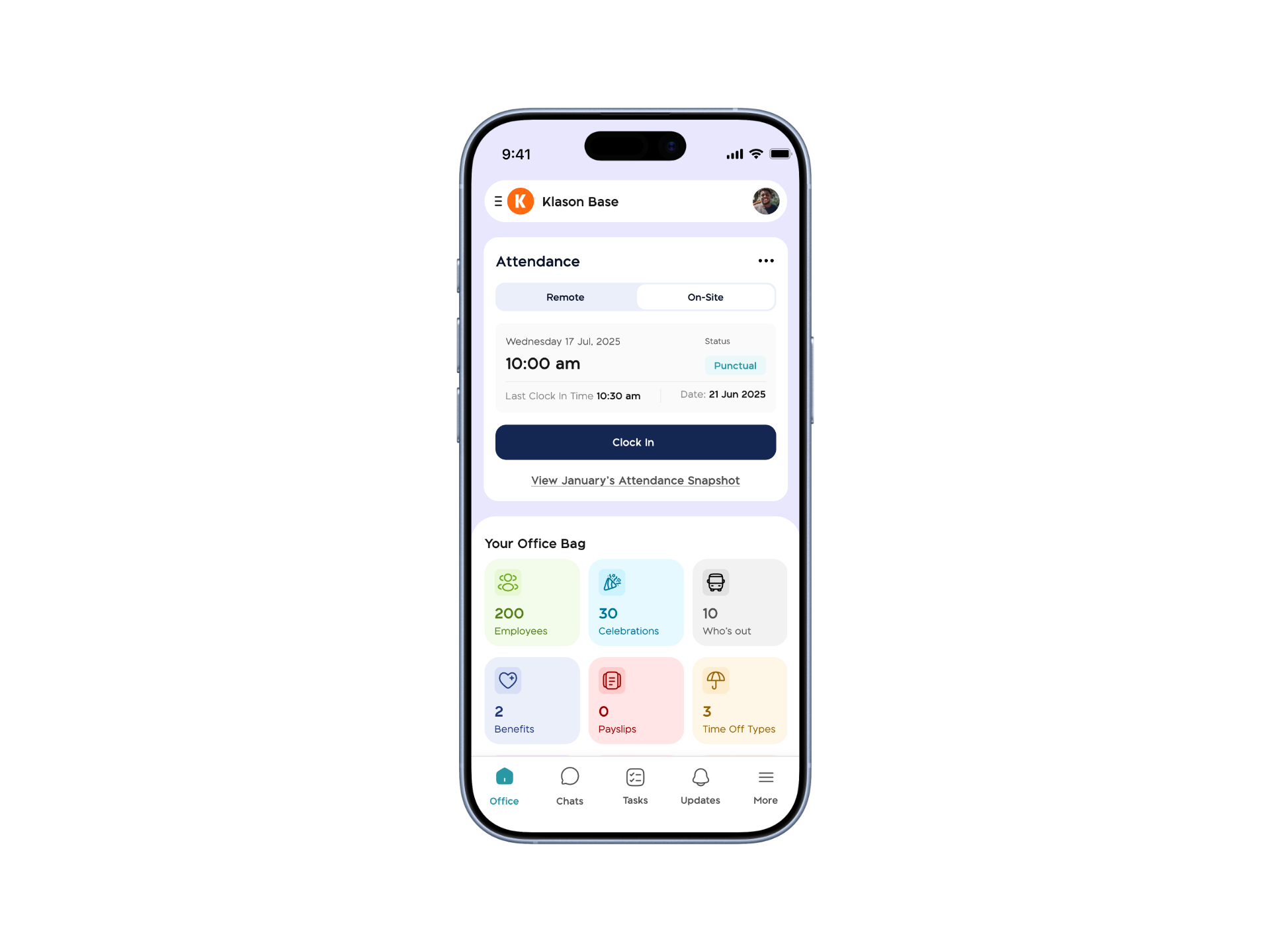
Payroll Access: Payslips, tax forms, and benefits enrollment are available on their devices with BizEdge.
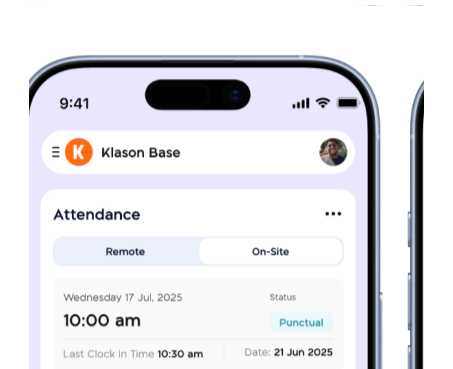
Time Tracking: Some platforms allow clock-ins, clock-outs, and attendance records like BizEdge.
Why Employee Self-Service is Essential
Streamlines HR Operations: Frees HR staff from handling basic administrative requests.
Empowers Employees: Gives staff more control over their information and work-related processes.
Increases Transparency: Information is accessible anytime, reducing confusion and miscommunication.
Tips for a Successful ESS Portal Implementation
Choose a user-friendly and secure system.
Provide onboarding sessions and ongoing support for employees.
Regularly update features to match changing workforce needs.
Comments
Leave a comment
Related posts
What is a Fixed Rota?
A fixed rota is a consistent work schedule where employees are assigned the same shifts and days each week. Unlike rotating or flexible schedules, a fixed rota provides stability and predictability for both employers and employees. A fixed rota builds a reliable work structure that promotes stability, accountability, and satisfaction across the workforce. Features of a Fixed Rota Consistent Work Hours : Start and end times remain the same week after week. Regular Days Off : Employees can plan around their set days off without worrying about sudden changes. Defined Coverage: Businesses can ensure key roles are always staffed without last-minute adjustments. Benefits of a Fixed Rota Better Work-Life Balance: Predictable scheduling helps employees manage personal and family commitments. Reduced Absenteeism: Employees are less likely to miss shifts when their schedules are clear and steady.…
May 5, 2025 · 1 min read
Read MoreWhat is an On-Call Shift?
An on-call shift is a type of work schedule where an employee is not actively working but must be available to report to work or handle work-related duties if needed during a specific period. The employee may be required to remain within a certain distance from their workplace or carry a device like a phone or pager to receive work updates. Related Terms: Standby Duty, Call-Out Pay, Emergency Response Shift, Flexible Scheduling. Elements of On-Call Shift Employees may stay at home or go about regular activities, but must be ready to respond quickly. Compensation policies for on-call time vary depending on labor laws and company practices. Common in industries that require 24/7 availability like healthcare, IT, security, and emergency services. Example The IT support staff of KYZ company rotates on-call shifts during weekends to ensure someone is available in case of server issues.
May 5, 2025 · 1 min read
Read MoreWhat is Absence Management?
Absence Management is the process of managing and reducing employee absences in a structured, fair, and consistent way. It includes policies, systems, and procedures that organizations use to monitor employee time off, both planned and unplanned and ensure that absences do not negatively impact productivity, team performance, or morale. Objectives of Absence Management The main goal of absence management is to handle employee time-off in a way that balances organizational needs with employee well-being. It aims to: Maintain Productivity: Ensure there’s enough workforce to meet business demands Improve Attendance: Identify and reduce absenteeism trends Support Well-being: Address underlying causes of frequent absences (e.g., burnout, workplace stress) Ensure Fairness & Compliance: Apply policies consistently across the organization and stay legally compliant Reduce Costs: High…
May 5, 2025 · 2 min read
Read More