
The Employee Lifecycle: A Guide for HR Professionals
devng · May 7, 2024 · 3 min read
On this page
The employee lifecycle represents the journey an employee takes within an organization, from initial awareness to eventual departure. Understanding and optimizing each stage of this cycle is crucial for HR professionals to build a strong employer brand, attract and retain top talent, and foster a positive work environment.
Stages of the Employee Lifecycle:
The employee lifecycle can be broken down into several key stages, each with its own focus and objectives:
- Attraction: This stage involves generating interest in potential candidates. It encompasses employer branding initiatives, talent pool development, and crafting compelling job descriptions to attract qualified applicants.
- Recruitment: During recruitment, HR professionals actively source and screen candidates to find the best fit for open positions. This stage includes conducting interviews, assessing skills and experience, and making hiring decisions.
- Onboarding: Onboarding is the process of integrating new hires into the organization and their role. It involves providing necessary information, training, and support to ensure a smooth transition and set them up for success.
- Retention: Retention focuses on strategies to keep valuable employees engaged and motivated throughout their tenure. This can involve offering competitive compensation and benefits, providing opportunities for professional development, and fostering a positive work culture.
- Development: Investing in employee development is essential for both individual growth and organizational success. This stage offers training programs, mentorship opportunities, and support for skill advancement.
- Exit (Offboarding): When employees leave the organization, a smooth offboarding process is crucial. This involves collecting exit interview feedback, ensuring a clean handover of responsibilities, and maintaining positive relationships with departing employees.
- Happy Leavers/Alumni Network: Some organizations extend their focus beyond the immediate exit stage by nurturing relationships with former employees. This "alumni network" can be a valuable source of referrals, brand ambassadors, and potential boomerang employees who may return in the future.
Benefits of a Well-Managed Employee Lifecycle:
- Improved Talent Acquisition: A strong employer brand and a streamlined recruitment process attract top talent.
- Enhanced Employee Engagement: Effective onboarding, development opportunities, and a positive work culture foster a more engaged workforce.
- Reduced Turnover: Retention strategies help retain valuable employees and minimize the costs associated with turnover.
- Increased Productivity: Engaged and well-developed employees contribute to higher productivity levels.
- Improved Employer Branding: Positive employee experiences throughout the lifecycle strengthen a company's reputation as a great place to work.
Optimizing the Employee Lifecycle:
HR professionals can leverage various strategies to optimize each stage of the employee lifecycle:
- Utilize technology: Applicant tracking systems and employee engagement platforms can streamline processes and improve communication.
- Data-driven decision making: Track key metrics at each stage to identify areas for improvement and measure the impact of HR initiatives.
- Regular feedback: Conduct regular employee surveys and performance reviews to gain insights and address concerns.
- Invest in employee well-being: Promote work-life balance, offer health and wellness programs, and prioritize mental health support.
- Recognition and rewards: Acknowledge and reward employee contributions to boost morale and motivation.
Conclusion:
By understanding and managing the employee lifecycle strategically, HR professionals can create a win-win situation for both the organization and its employees. A well-defined lifecycle fosters a positive work environment, attracts and retains top talent, and ultimately contributes to a more successful and sustainable organization.
BizEdge: Your Employee Lifecycle Partner
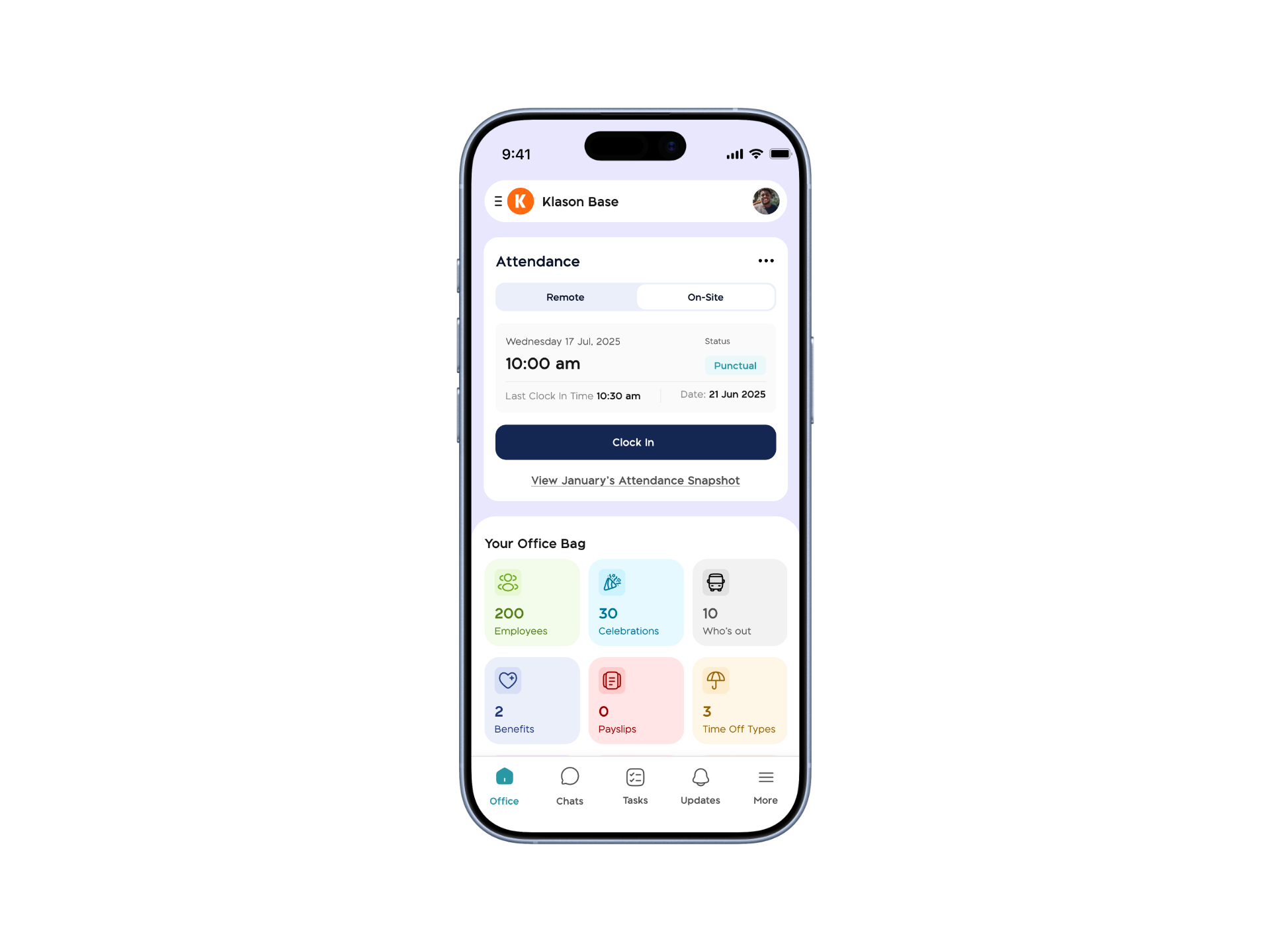
BizEdge empowers HR professionals to manage every stage of the employee lifecycle. Our applicant tracking system streamlines recruitment, automates tasks, and helps you find the perfect fit. Onboarding becomes a breeze with our customizable modules and training resources. BizEdge fosters engagement with intuitive tools for feedback, recognition, and development planning. Track key metrics throughout the lifecycle to identify areas for improvement and measure HR initiatives. BizEdge: Your one-stop shop for building a thriving workforce, from attracting top talent to retaining your best people.
Comments
Leave a comment
Related posts
What is an Employee Self-Service Portal?
An employee self-service (ESS) portal is a digital platform that enables employees to independently manage HR-related tasks like updating personal information, accessing pay slips, requesting time off, and tracking work hours. Employee self-service platforms modernize workplace management, promoting efficiency, transparency, and employee autonomy. Common Features of Employee Self-Service Portal Profile Management: Employees can update addresses, banking details, and emergency contacts. Leave Requests and Approvals: Staff can apply for leave and track approval statuses without direct HR intervention. Payroll Access: Payslips, tax forms, and benefits enrollment are available on their devices with BizEdge. Time Tracking: Some platforms allow clock-ins, clock-outs, and attendance records like BizEdge. Why Employee Self-Service is Essential Streamlines HR Operations: Frees HR staff from…
May 5, 2025 · 1 min read
Read MoreWhat is a Fixed Rota?
A fixed rota is a consistent work schedule where employees are assigned the same shifts and days each week. Unlike rotating or flexible schedules, a fixed rota provides stability and predictability for both employers and employees. A fixed rota builds a reliable work structure that promotes stability, accountability, and satisfaction across the workforce. Features of a Fixed Rota Consistent Work Hours : Start and end times remain the same week after week. Regular Days Off : Employees can plan around their set days off without worrying about sudden changes. Defined Coverage: Businesses can ensure key roles are always staffed without last-minute adjustments. Benefits of a Fixed Rota Better Work-Life Balance: Predictable scheduling helps employees manage personal and family commitments. Reduced Absenteeism: Employees are less likely to miss shifts when their schedules are clear and steady.…
May 5, 2025 · 1 min read
Read MoreWhat is an On-Call Shift?
An on-call shift is a type of work schedule where an employee is not actively working but must be available to report to work or handle work-related duties if needed during a specific period. The employee may be required to remain within a certain distance from their workplace or carry a device like a phone or pager to receive work updates. Related Terms: Standby Duty, Call-Out Pay, Emergency Response Shift, Flexible Scheduling. Elements of On-Call Shift Employees may stay at home or go about regular activities, but must be ready to respond quickly. Compensation policies for on-call time vary depending on labor laws and company practices. Common in industries that require 24/7 availability like healthcare, IT, security, and emergency services. Example The IT support staff of KYZ company rotates on-call shifts during weekends to ensure someone is available in case of server issues.
May 5, 2025 · 1 min read
Read More