How to Manage Employee Benefits
How to Manage Documents

Managing employee time off efficiently is more than an administrative task. It’s a critical part of human resources (HR), and a well-structured leave management system in Nigerian businesses makes all the difference. As organizations grow and workforces become more dynamic, the need for structured, transparent, and scalable leave management systems in Nigeria becomes increasingly important.
In Nigeria’s evolving corporate landscape, where organizations are balancing productivity with employee well-being, managing employee time off requests has become a defining aspect of modern HR strategy. Without a clear framework, businesses risk operational disruptions, employee dissatisfaction, and compliance challenges.
A well-crafted time off policy does more than regulate absences. It strengthens workforce management, supports employee engagement, and ensures consistency across the organization.
What is Employee Time off Management?
Employee time off management, also known as leave management, is the structured process of handling requests for leave, including annual leave, sick leave, maternity or paternity leave, and other approved absences.
From an HR management perspective, it involves:
- Tracking leave balances
- Reviewing and approving requests
- Ensuring adequate team coverage
- Maintaining compliance with labour regulations
- Supporting employee well-being
Effective leave management system in Nigeria is essential for maintaining both organizational productivity and a positive employee experience.
Why Managing Time off Requests Matters
Organizations that overlook structured leave management systems in Nigeria often encounter avoidable challenges. A strong approach to managing employee time off directly impacts several critical HR outcomes:
- Operational continuity: Unplanned or poorly coordinated absences can disrupt workflows and reduce team efficiency.
- Employee satisfaction and retention: Transparent and fair leave policies contribute to higher employee engagement and improved employee retention.
- Compliance with labour laws: In Nigeria, adherence to statutory leave requirements is essential to avoid legal risks and reputational damage.
- Workforce planning: Effective leave tracking enables better workforce management and resource allocation.
Challenges in Managing Employee Time off
Despite its importance, many organizations struggle with leave management systems in Nigeria due to outdated processes or unclear policies.
- Lack of standardized policies: Inconsistent guidelines often lead to confusion and perceived unfairness among employees.
- Manual tracking systems: Relying on spreadsheets or informal approvals increases the risk of errors and miscommunication.
- Poor visibility: Managers may lack real-time insights into team availability, affecting project planning and delivery.
- Inefficient approval workflows: Delayed approvals can frustrate employees and disrupt scheduling.
These challenges highlight the need for a structured, technology-driven approach to HR operations.
How to Craft a Successful Employee Time off Policy
Creating an effective time off policy requires a balance between organizational needs and employee flexibility. Here are key elements every HR team should consider:
1. Define Clear Leave Categories
A comprehensive policy should outline all types of leave available to employees, including:
- Annual leave
- Sick leave
- Maternity and paternity leave
- Compassionate leave
- Unpaid leave
Clarity in leave categories ensures consistency and reduces ambiguity in HR policy implementation.
2. Establish Transparent Eligibility and Accrual Rules
Employees should clearly understand how leave is earned, when it can be used, and any limitations that apply. This supports fairness and strengthens trust in the organization’s human resource management system.
3. Create a Structured Approval Process
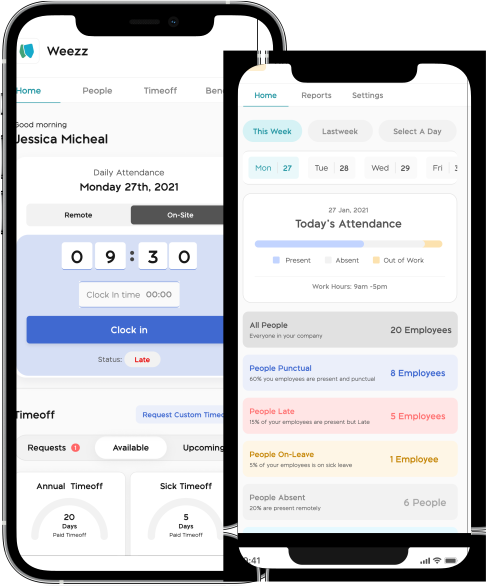
A well-defined approval workflow ensures that leave requests are handled efficiently and without unnecessary delays. Rather than relying on manual follow-ups or scattered communication, HR teams should establish a clear, system-driven process that keeps everyone aligned.
With solutions like BizEdge, organizations can automate and standardize their leave approval workflows, ensuring requests move seamlessly from submission to approval without bottlenecks.
HR teams should clearly outline:
- Who approves requests
- Required notice periods
- Escalation processes for urgent or pending approvals
By leveraging a centralized HR system, businesses gain real-time visibility into employee availability while reducing administrative back-and-forth. This not only strengthens workforce coordination but also enhances the overall employee experience by making the process faster, clearer, and more reliable.