
How to Retain Gen Z Employees in the Workplace

How to Handle Mental Health Conversations at Work
6 Exit Interview Tactics to Make Your Organization Great at Goodbyes
6 Exit Interview Tactics to Make Your Organization Great at Goodbyes

Table of Contents
In every organization, employee exits are inevitable. However, how a company manages those departures often reveals more about its internal structure than its hiring practices. At the center of this process is the exit interview, a critical tool in modern human resource management (HRM).
For many organizations in Nigeria, this process is either underutilized or treated as a routine formality. Yet, when approached strategically, it becomes a powerful source of insight into employee experience, workplace challenges, and organizational gaps.
A well-conducted process does more than document reasons for leaving. It provides HR leaders with the data needed to improve employee retention, engagement, and overall workforce management. In a competitive labour market, organizations that take this process seriously are better positioned to refine their HR strategy and strengthen their employer brand.
What is an Exit Interview?
An exit interview is a structured conversation conducted when an employee is leaving an organization. Its purpose is to gather honest feedback about the employee’s experience, reasons for departure, and suggestions for improvement.
An effective process typically covers reasons for leaving, feedback on management and leadership, workplace culture and environment, compensation and benefits, and opportunities for improvement. When integrated into a broader HR framework, this feedback process becomes a key component of continuous organizational improvement.
Why Exit Interviews Are Critical for Nigerian Businesses
In Nigeria’s dynamic business environment, this process plays an important role in addressing common workforce challenges. Improving employee retention, insights from each session help HR teams identify patterns that lead to turnover.
Strengthening employee experience, feedback gathered during these discussions highlights areas where employees feel unsupported or disengaged. Enhancing HR policies, organizations can refine policies and processes based on trends identified through employee feedback. Supporting workforce planning, understanding why employees leave enables better workforce management and succession planning.
6 Exit Interview Tactics Businesses can Adopt
1. Create a Structured Exit Interview Process
Consistency is essential for effective outcomes. HR teams should develop a standardized process that ensures every session captures comparable and actionable insights. This includes predefined questions, clear documentation, and alignment with overall HR operations.
2. Encourage Honest and Open Feedback
The value of the process depends on the honesty of the responses received. Employees are more likely to provide meaningful insights when they feel safe and assured that their feedback will not have negative consequences. HR teams should foster a neutral, non-judgmental environment during every session.
3. Focus on Employee Experience
While understanding why employees leave is important, a strong process goes deeper. HR leaders should explore the overall employee experience, including workplace culture, leadership effectiveness, and growth opportunities. This approach provides a more holistic view of organizational performance.
4. Use Data to Drive HR Strategy
An isolated session offers limited value. However, when aggregated, feedback data becomes a powerful tool for shaping HR strategy. HR teams should identify patterns, recurring issues, and trends that can inform improvements in employee engagement, retention, and workforce management. To make this easier and more consistent, having a structured template can go a long way. A well-designed exit interview template helps standardize questions, ensures no key area is missed, and makes it easier to compare feedback across employees over time. If you’re looking to streamline this process, you can download our free exit interview template to get started quickly, no guesswork, just a clear structure you can plug into your HR workflow.
5. Integrate HR Technology into the Process
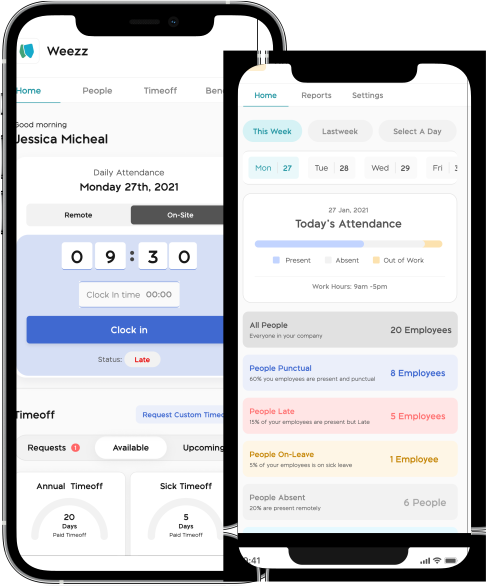
Modern organizations are leveraging HR technology to enhance the effectiveness of feedback collection. Digital systems can help standardize questions, store and analyze feedback, track trends over time, and integrate insights into broader HR analytics. Technology ensures that every session contributes to long-term organizational learning.
6. Close the Feedback Loop
One of the most overlooked aspects of this process is follow-through. Employees want to know that their feedback matters. HR teams should ensure that insights from each session lead to visible improvements in policies, processes, or workplace culture. Closing the loop strengthens trust and reinforces the organization’s commitment to continuous improvement.
How Exit Interviews Improve Employee Retention
A well-executed process is not just about understanding departures, it is about preventing future ones. By identifying patterns in feedback, HR teams can address workplace issues proactively, improve employee engagement strategies, strengthen leadership effectiveness, and enhance the overall employee experience. In this way, the process becomes a proactive tool for improving employee retention and organizational stability.
Turning Exit Interviews into Strategic HR Insights
At its core, the exit interview is one of the most valuable yet underutilized tools in human resource management. For Nigerian organizations aiming to build stronger, more resilient workplaces, this process offers a direct line to employee insights that might otherwise go unheard. When conducted with intention and supported by strong HR processes and technology, it transforms from a routine conversation into a strategic advantage. Organizations that prioritize this process are not just managing exits, they are learning, evolving, and positioning themselves for long-term success.
Ready to make employee management easier
Schedule a free 30-minute walkthrough.